
Invited Speaker I
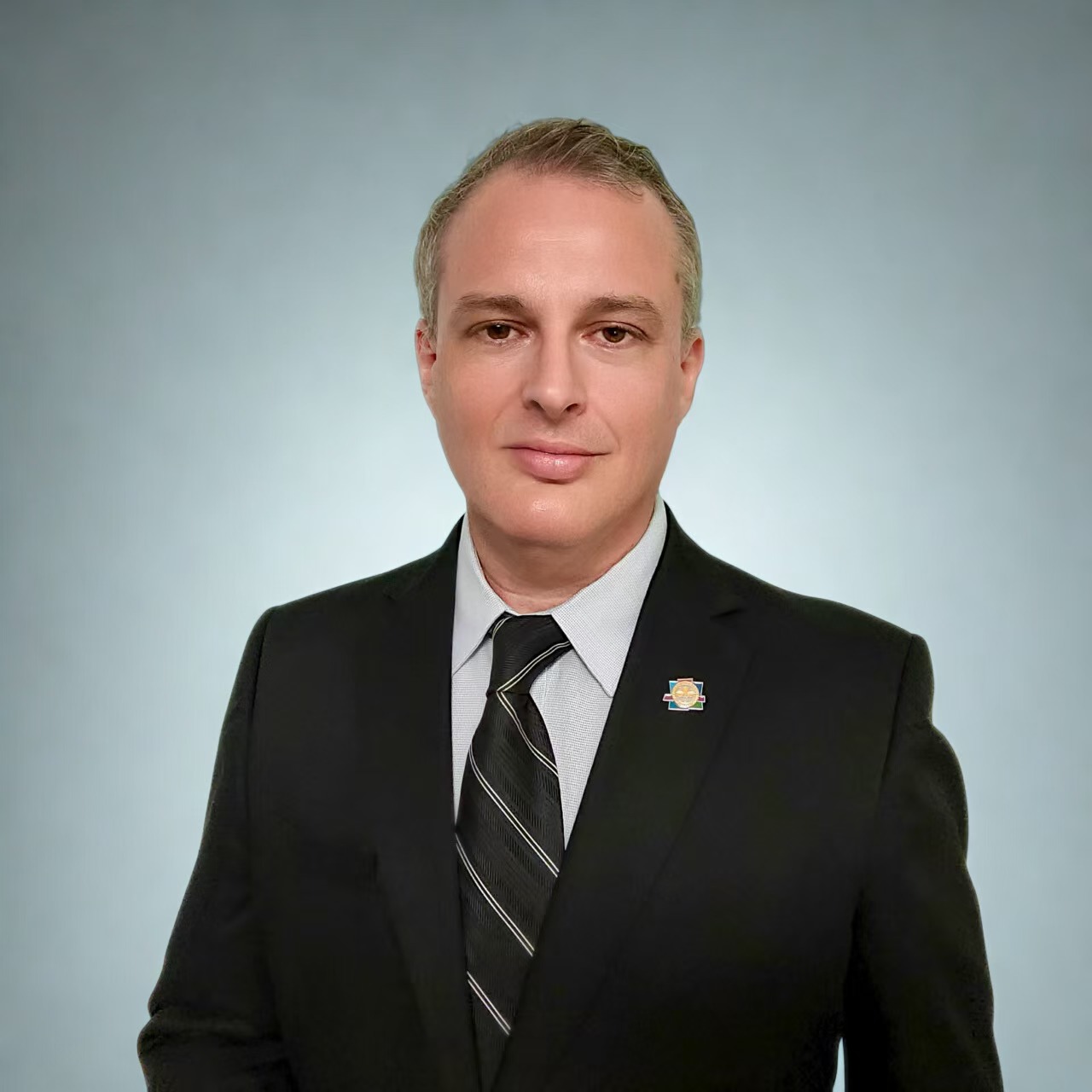
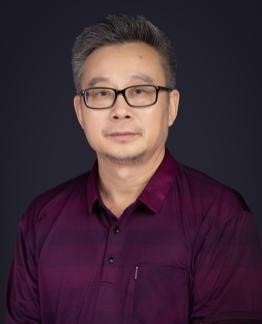
Prof.
Daowen Qiu, Sun Yat-sen University, China
I have been full
professor of computer science in Sun Yat-sen
University since 2004, and my research interests are
focused on new computing models, quantum computing,
distributed quantum algorithms, quantum models
learning, quantum communication, fuzzy and
probabilistic as well as quantum discrete event
systems. I have published peer-reviewed over 200
papers in international journals. I am editors of
some international academic journals, including
Theoretical Computer Science.
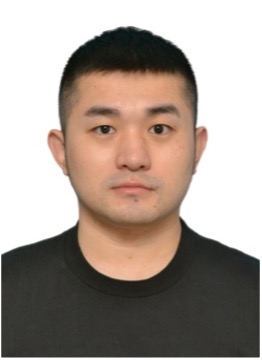
Assoc. Prof.
Yu Zhao, Tokyo University of Science, Japan
Dr. Yu Zhao
is currently a Junior Associate Professor at
the School of Management, Tokyo University
of Science. He also serves as a visiting
lecturer at the Institute of Statistical
Mathematics, Japan. He obtained his Ph.D. in
Information Science and Technology from
Osaka University. His research primarily
focuses on both the theoretical and
practical aspects of statistical learning
theory, operations research, and management
science. His analytical approaches include
machine learning and algorithmic learning
methods, statistical inference and modeling,
and mathematical programming, among others.
His work has been published in journals such
as Omega – The International Journal of
Management Science, The European Journal of
Operational Research, Expert Systems with
Applications, and other reputable journals.
Invited Speaker IV
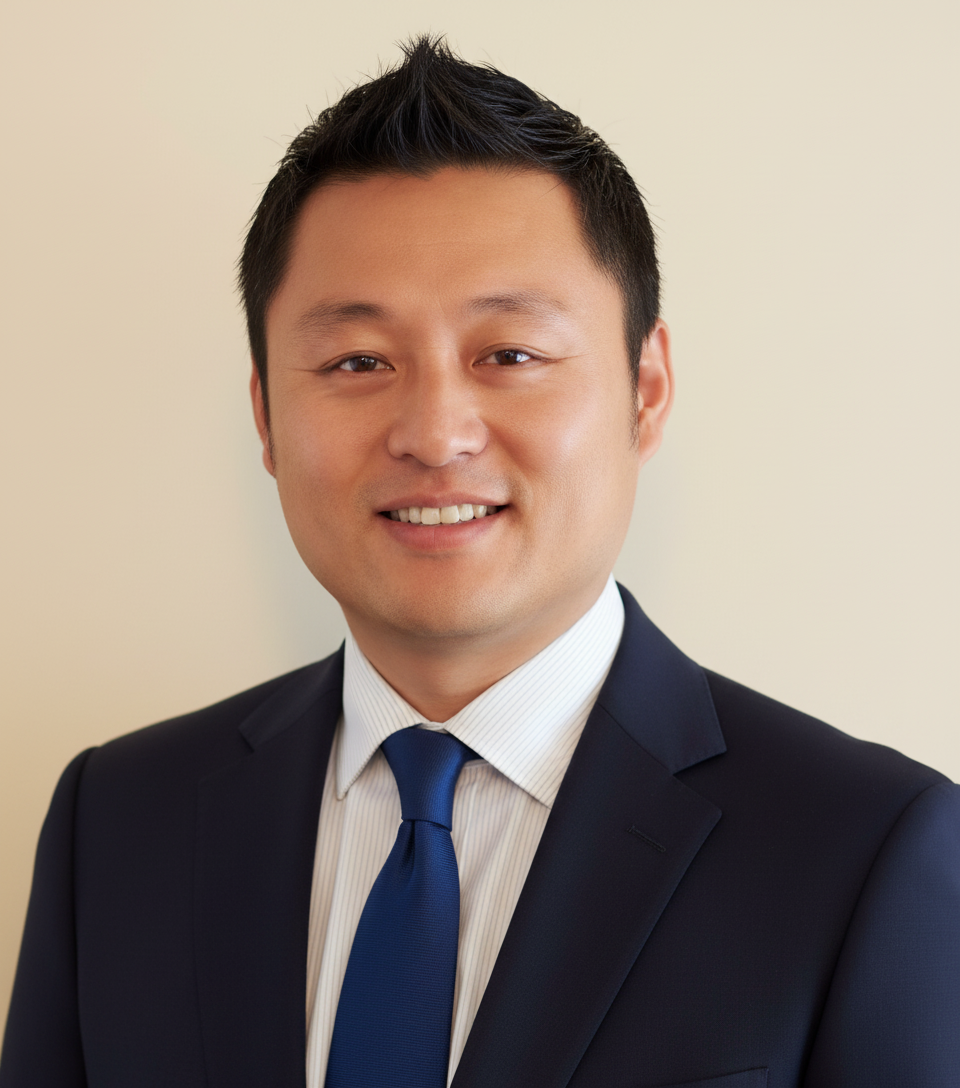
Prof.
Haixin Wang, Fort Valley State University,
USA
Haixin Wang
is a Professor in the Department of Natural
and Computational Sciences at Fort Valley
State University, where he supports the
Computer Science Program and the Cooperative
Development Energy Program (CDEP). His
primary research focuses on bioinformatics,
signal processing, data mining, and image
processing, with recent work centered on
image-based analytics for digital
agriculture. He has developed practical
pipelines for peach leaf image denoising,
segmentation, and physical characteristic
estimation, including a two-step denoising
approach, K-means clustering in L*a*b* color
space, and a unified algorithm for
estimating physical characteristics of noisy
peach. His research aims to automate the
extraction of physical characteristics and
disease indicators to support modern orchard
management. Prof. Wang has served as
PI/Co-PI on externally funded projects,
including USDA-supported research on peach
trees using image processing, and additional
awards supported by PREP, NSF, and the U.S.
Department of the Army. He has authored 22
publications, reviewed 81+ papers for
journals and conferences, and received
recognition such as Best Presenter at IEEE
CIPCV 2024.
Invited Speaker V
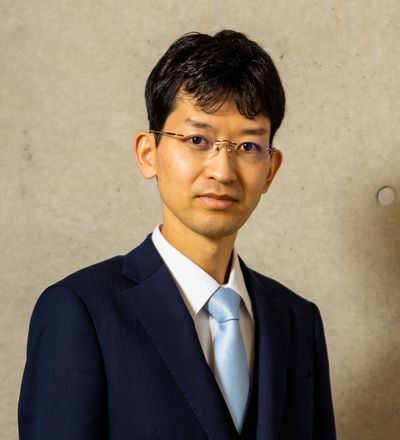
Assoc. Prof. Masateru
Tsunoda, Kindai University, Japan
Masateru
Tsunoda is an associate professor in the
Department of Informatics at Kindai
Unitersity, Japan. His research interests
include software measurement and human
factors in software development. Tsunoda
received a Doctor of Engineering in
information science from the Nara Institute
of Science and Technology. He is a member of
IEEE, the Institute of Electronics,
Information, and Communication Engineers,
the Information Processing Society of Japan,
the Japan Society for Software Science and
Technology, and the Japan Society for
Information and Systems in Education.